
The Morning Harvest: Farm and Food News
Daily farm and food news, explained by a working farmer.
Every morning, Angelo Grinceri breaks down the day's farm and food news in plain language: what's happening on farms across the country, why food costs what it costs, what's in season, and what you could be growing on your own land. Watch on YouTube, or listen on Apple Podcasts and Spotify.
Produce Prices - Food Safety and Recalls - In Season - Start A Farm - Weather and Crops - Farm Policy - New Jersey Agriculture
Produce Prices - Food Safety and Recalls - In Season - Start A Farm - Weather and Crops - Farm Policy - New Jersey Agriculture
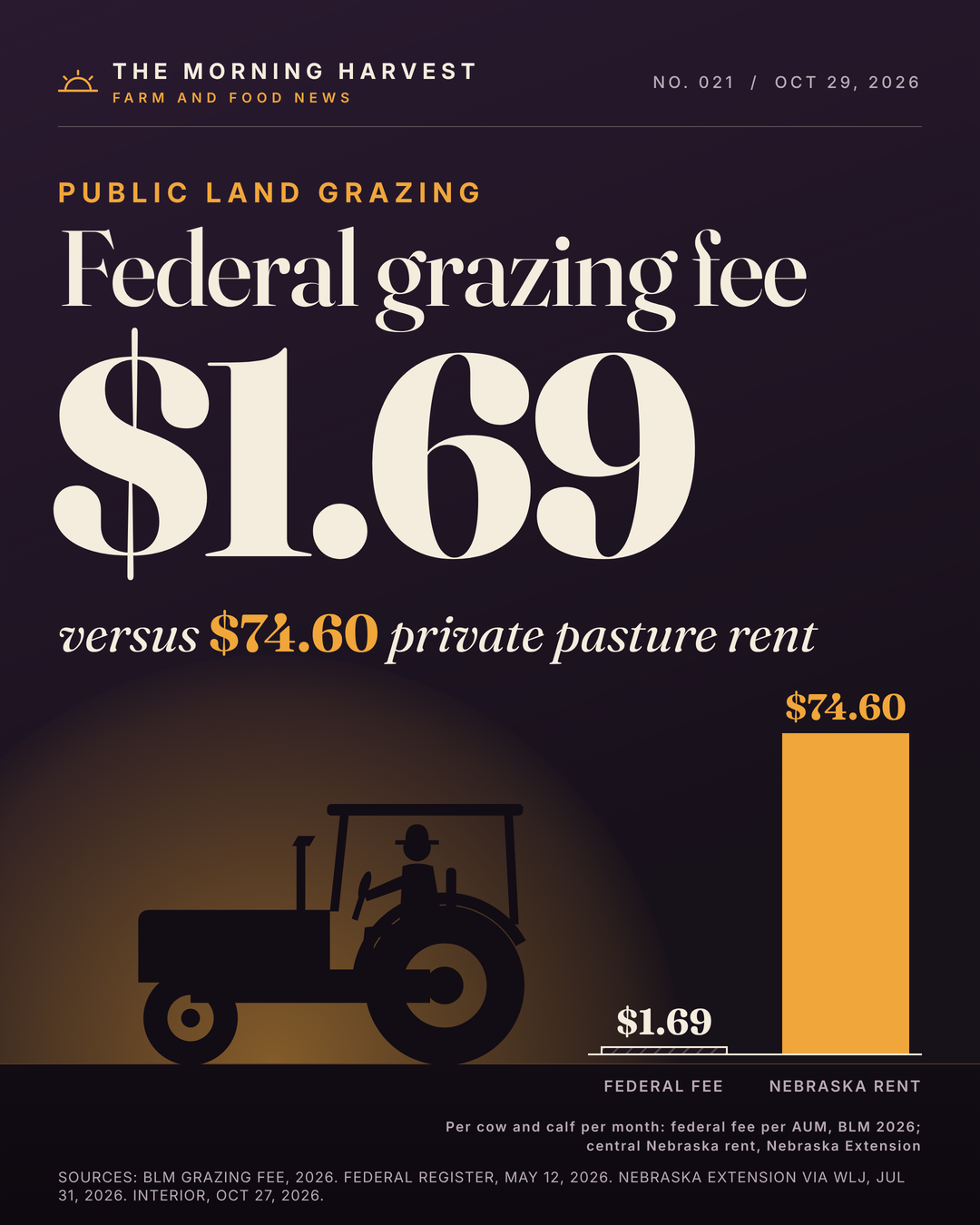
Interior opens more public land to cattle grazing: who holds the permits, what the $1.69 fee buys, and what Secretary's Order 3454 changes
Interior's Secretary's Order 3454 opens more public land to cattle grazing. Here is who holds the permits, what the $1.69 federal fee buys against $74.60 private rent, how the fee reaches your shelf, what the order leaves out, and the Forest Service directive most people missed.
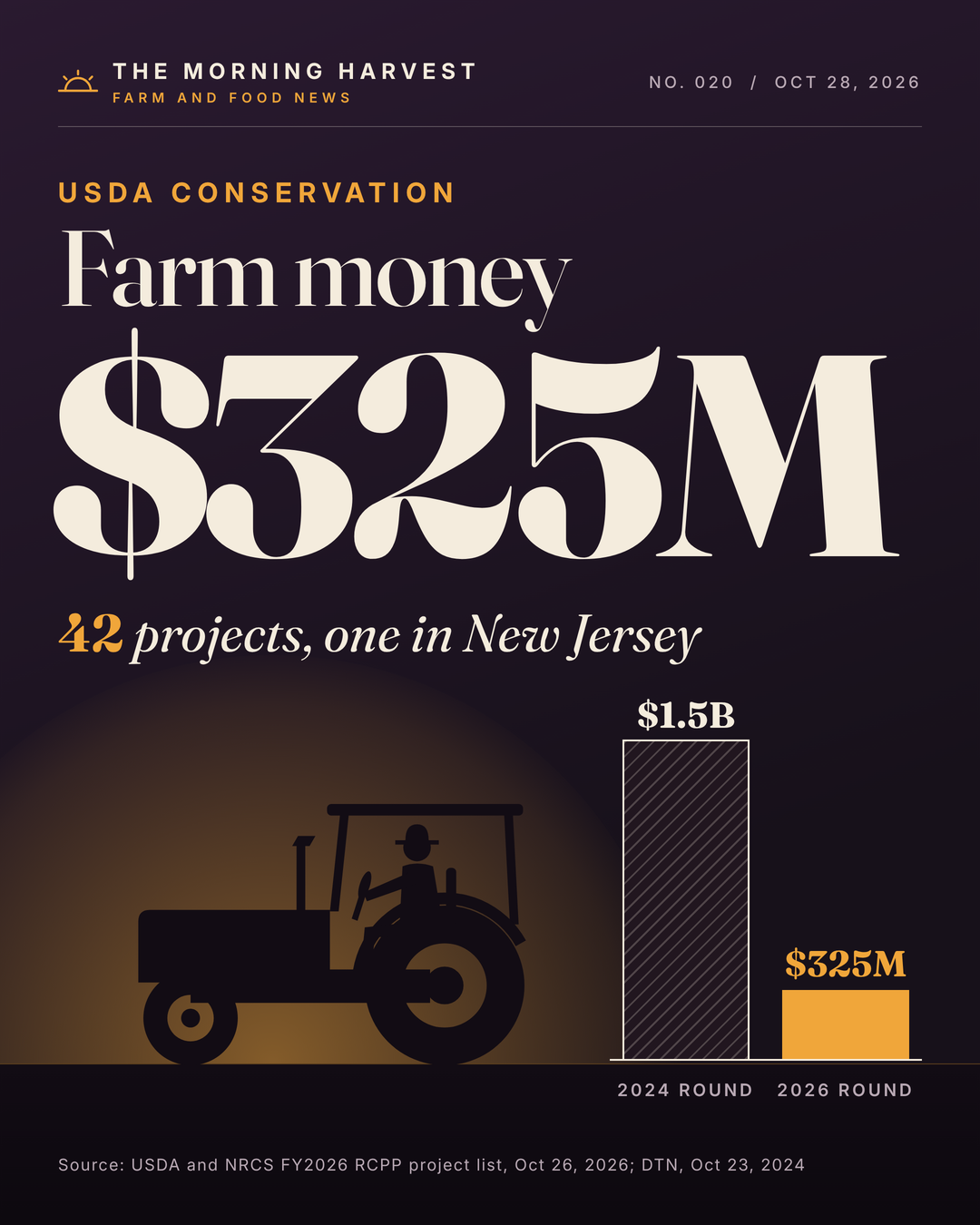
USDA puts $325 million into 42 conservation projects: what RCPP pays farmers and landowners, and the one project in New Jersey
USDA announced more than $325 million for 42 Regional Conservation Partnership Program projects, and one is in New Jersey. Here is who gets the money, what it pays per acre, what USDA has not said, and the deadline most farmers missed.
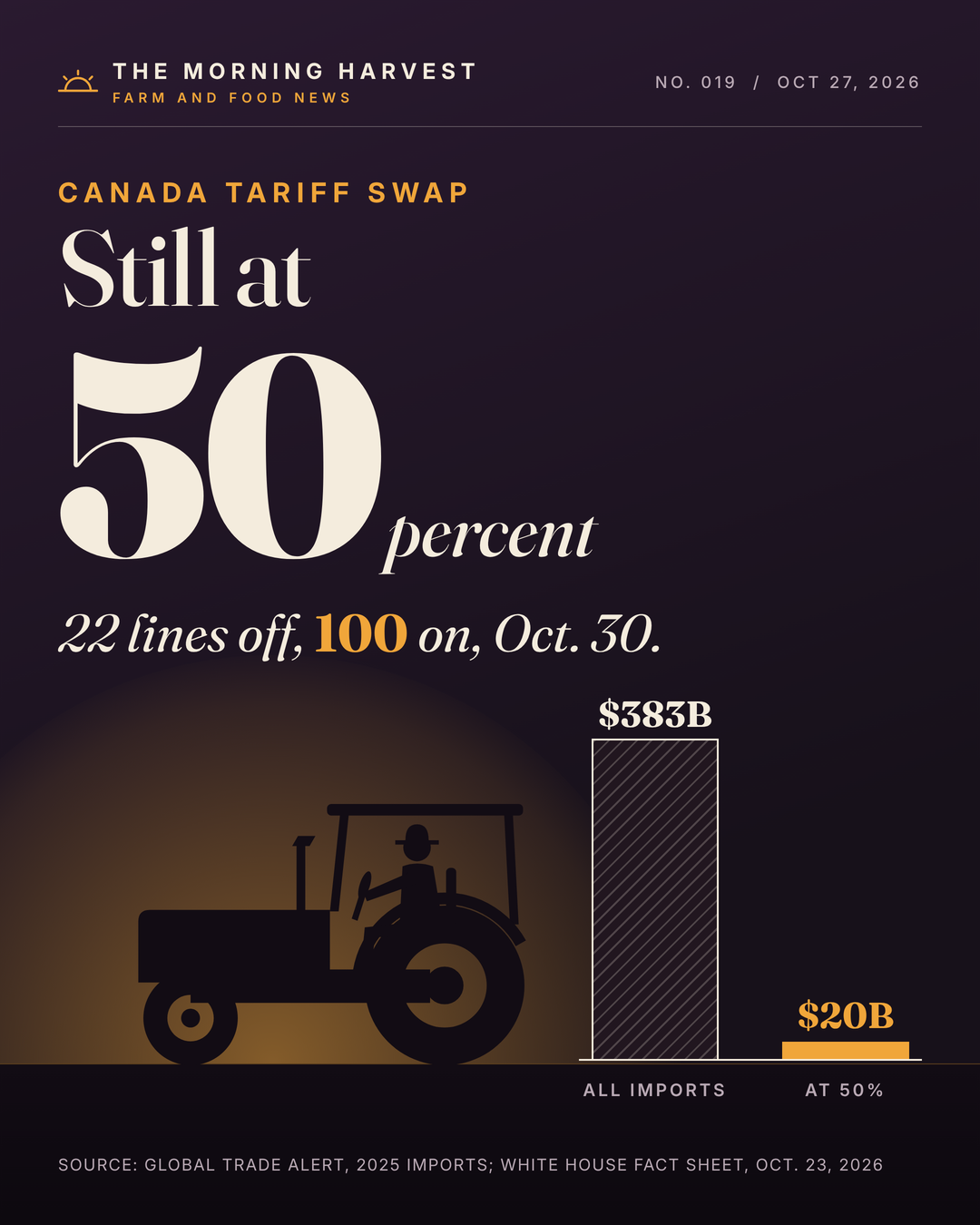
Trump’s Canada tariff swap: what the October 30 exemptions mean for food and farms
The Canada tariff stays at 50 percent, but on October 30, 22 lines, including packing, sorting and refrigeration gear, come off and about 100 go on. Here is why it happened, who pays, and the catches most people missed.

Why Fertilizer Prices Are So High: Anhydrous Ammonia at $987 a Ton, the Strait of Hormuz, and USDA's $573 Million Plan
Anhydrous ammonia is $987 a ton, up 18 percent in a year, and USDA just proposed $573 million for eight fertilizer projects. A working farmer explains how fertilizer is made, why the Strait of Hormuz matters, and what it means for your grocery bill and your land.

USDA puts $573 million into eight fertilizer plants: what it means for fertilizer prices
USDA proposed about $573 million toward eight fertilizer projects, but farmers get no direct payment and any price effect is years out. Here is why fertilizer costs what it does, what it costs per acre, and the related relief most people missed.

New World Screwworm Confirmed in U.S. Wildlife for the First Time in This Outbreak: Texas Elk and New Mexico Cow
USDA confirmed New World screwworm in a hunter-harvested elk in Pecos County, Texas, the first U.S. wildlife case in this outbreak. Here is why the fly is spreading, what APHIS says an infested animal costs, and what farmers and hunters should do.

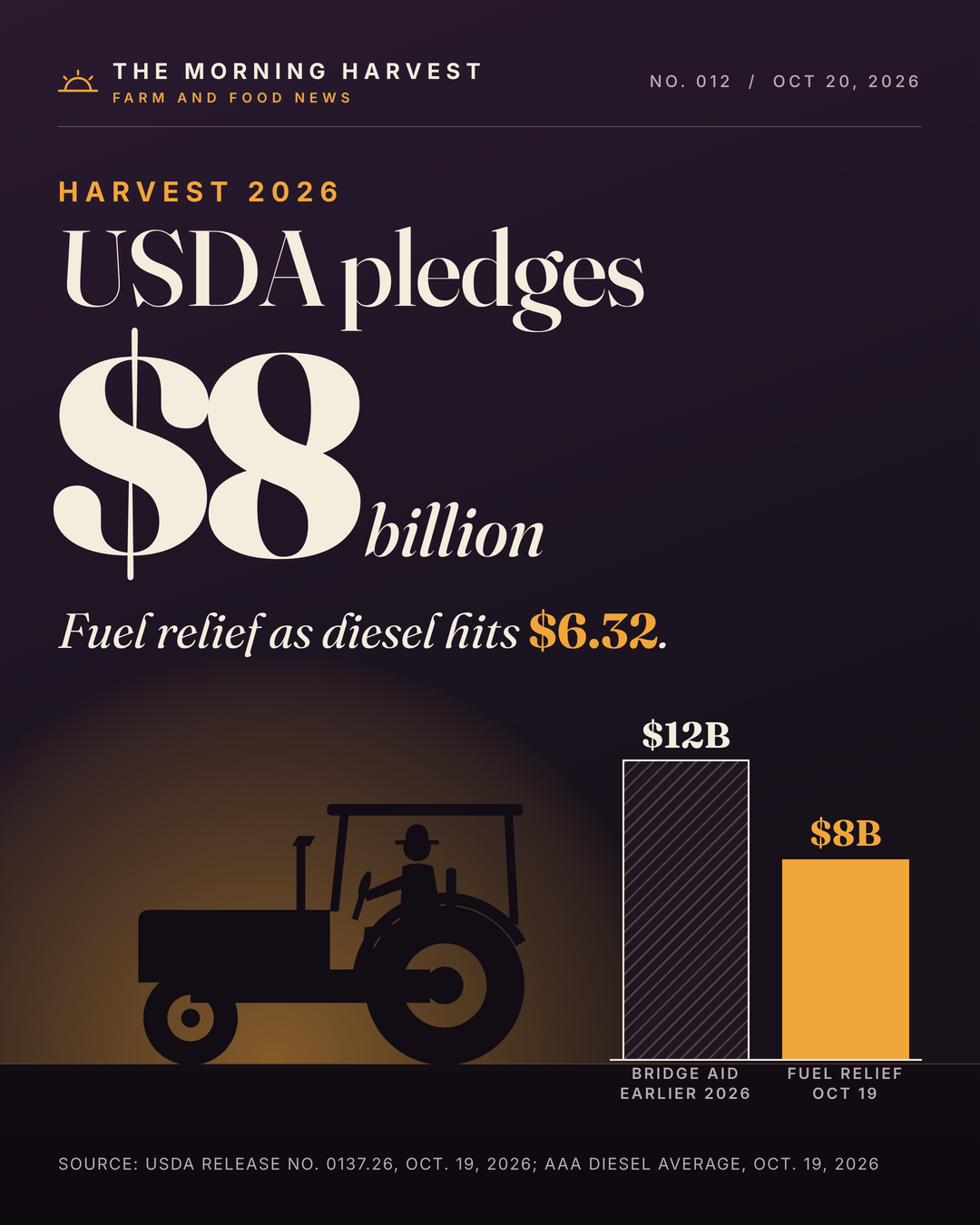
USDA announces $8 billion Harvest Fuel Relief program for farmers as diesel hits $6.32 a gallon
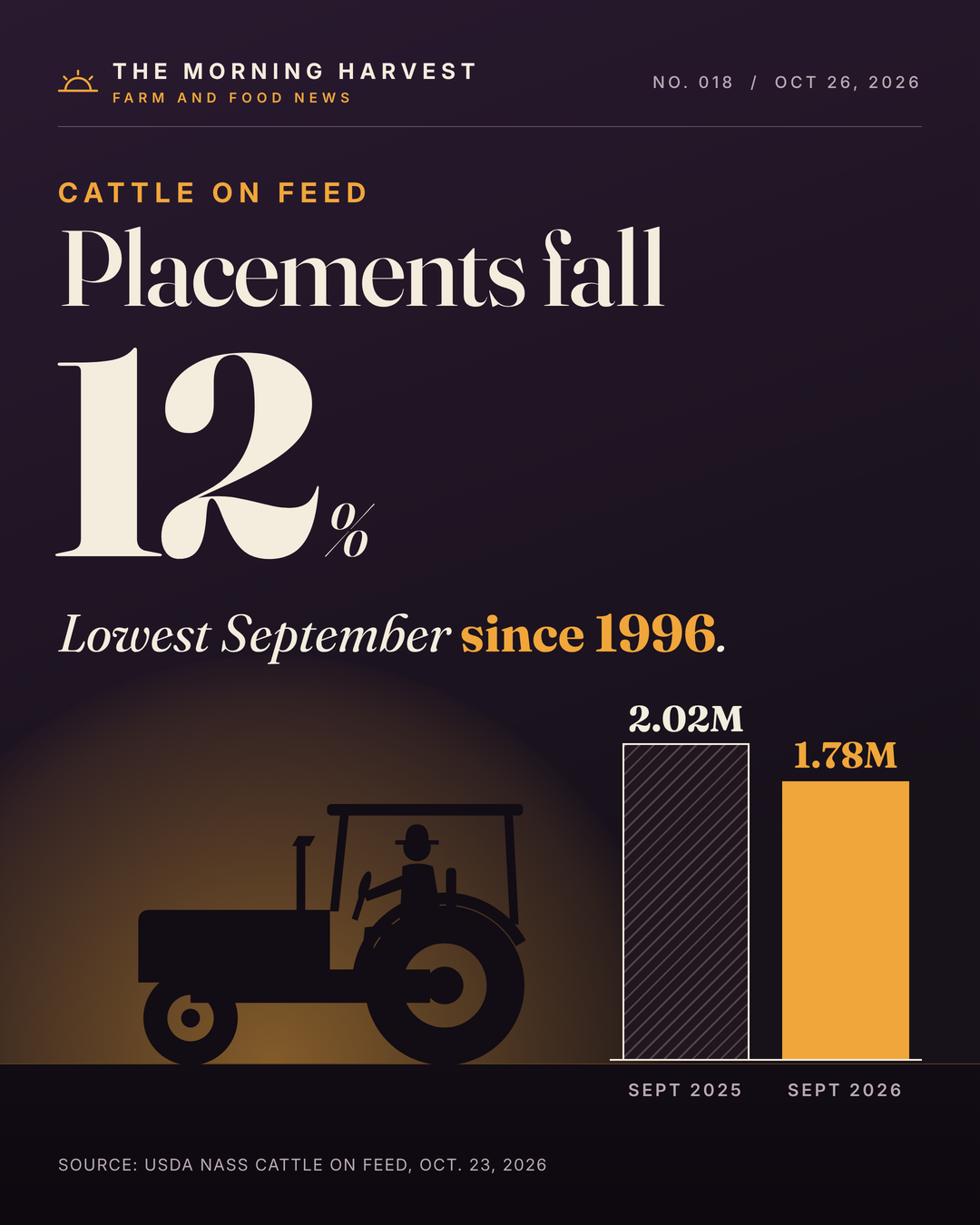
Ground beef averaged $6.79 a pound in September, but live cattle prices are down from a year ago. Here is why, what reopening the border to Mexican cattle will and will not do, and the lesser-known trimmings quota.
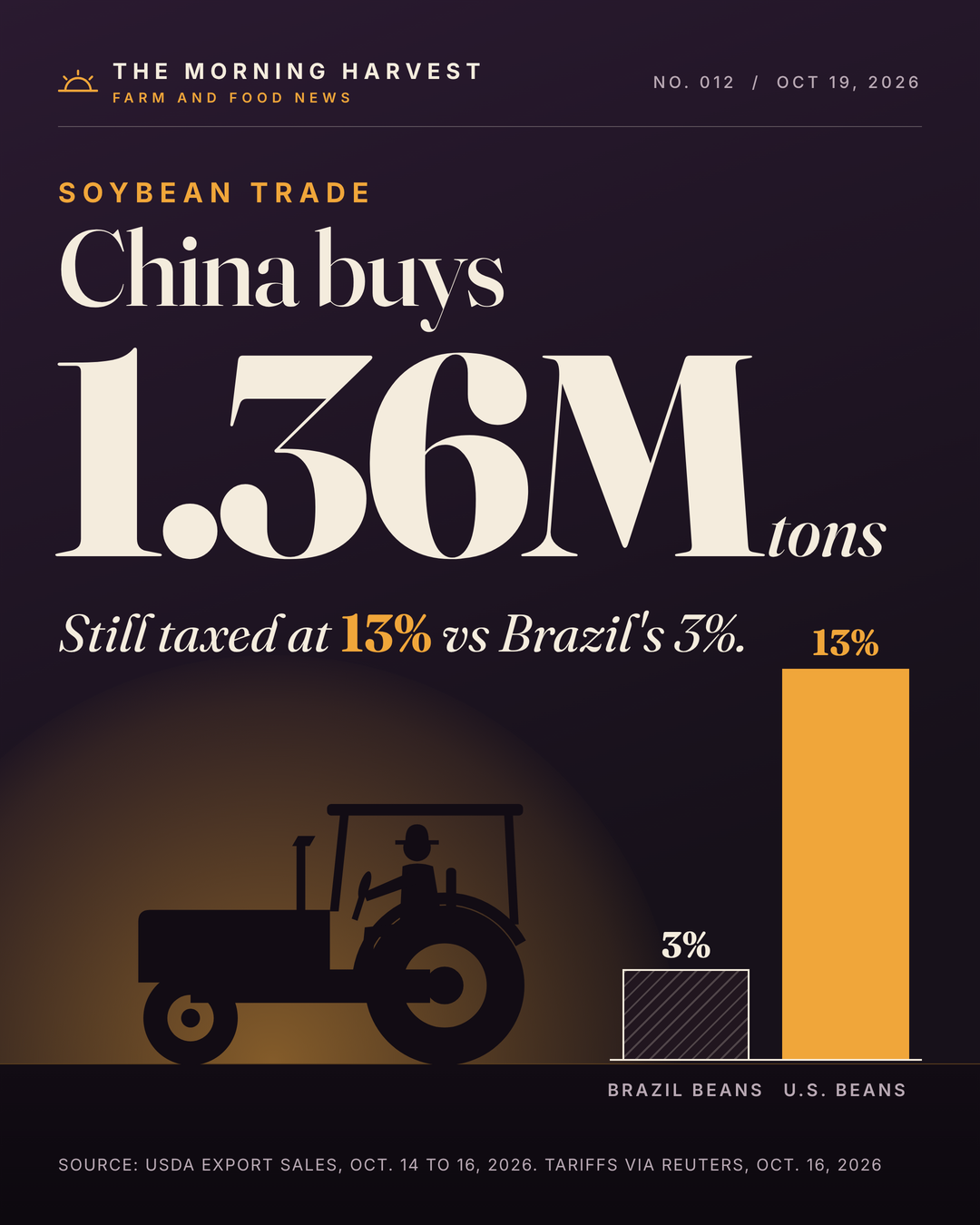
China Buys U.S. Soybeans Again: 1.36 Million Metric Tons in Three Days, USDA Flash Sales Show
China booked about 1.36 million metric tons of U.S. soybeans in three days of USDA flash sales, while U.S. beans still face a 13 percent tariff versus 3 percent for Brazil. Also today: two food recalls, why strawberries cost what they do, and whether you can grow peaches.

The H-2A Farm Worker Visa, Explained: Who Picks America’s Produce and Why the Rules Are Changing
The H-2A visa brings nearly 400,000 seasonal workers onto American farms, and a federal judge just threw out its wage formula. A working farmer explains how the program works, what it costs, and what the labor squeeze means at the store and on your land.


Grocery Prices Rose 1.8 Percent in a Year While Gasoline Rose 34 Percent: What the September CPI Means for Your Food Budget
Grocery prices rose 1.8 percent in a year while gasoline rose 34 percent, and here is what to buy. Also: the Cyclospora lettuce outbreak closes at 12,883 cases, the 17 percent duty behind tomato prices, cabbage and onions at 73 cents, garlic planting by region, and how New Jersey preserves farmland.

USDA Awards $86.6 Million in Specialty Crop Block Grants for Fruits and Vegetables
USDA put $86.6 million into 609 fruit and vegetable projects on October 13, and here is how a farmer gets in on next year’s round. Also: why Honeycrisp costs double what Gala does, a Virginia oyster closure after Salmonella cases, strawberry planting by region, and New Jersey’s apple season after the April freeze.

Hurricane Isaias Hits the Southeast Harvest: What It Means for Cotton, Peanuts, and Pecans
Hurricane Isaias came ashore in the Florida Panhandle with most Southeast cotton still in the field. Plus: why iceberg lettuce is $65 a carton, a third sprouting seed recall, and how to grow raspberries.

USDA Raises Corn Yield to 181.2 Bushels and Corn Prices Drop: What It Means
USDA surprised the market by raising the corn yield to 181.2 bushels per acre, and corn prices fell. Also today: a smoked fish recall, why blueberries cost $4.60 a pint, and how to grow apples.


The Farm Bill Explained: Where $1.37 Trillion Goes and Why Congress Is Stuck
The farm bill expired on September 30. Here is what it is, where $1.37 trillion goes, why Congress is stuck, and what it means if you own land.
USDA Seed Sovereignty Initiative: $180 Million to Sequence the National Seed Bank
USDA is spending $180 million to sequence a national gene bank of more than 600,000 seed and plant samples. Also today: a Nature's Own bread recall, raspberry prices, fall produce, and how to start backyard grapes.
USDA Announces Record $13.8 Billion in Farm Safety Net Payments: What It Means
USDA announced a record $13.8 billion in farm safety net payments. A working farmer explains what it means, plus today's seed recall, strawberry prices, what's in season, and how to grow blueberries.